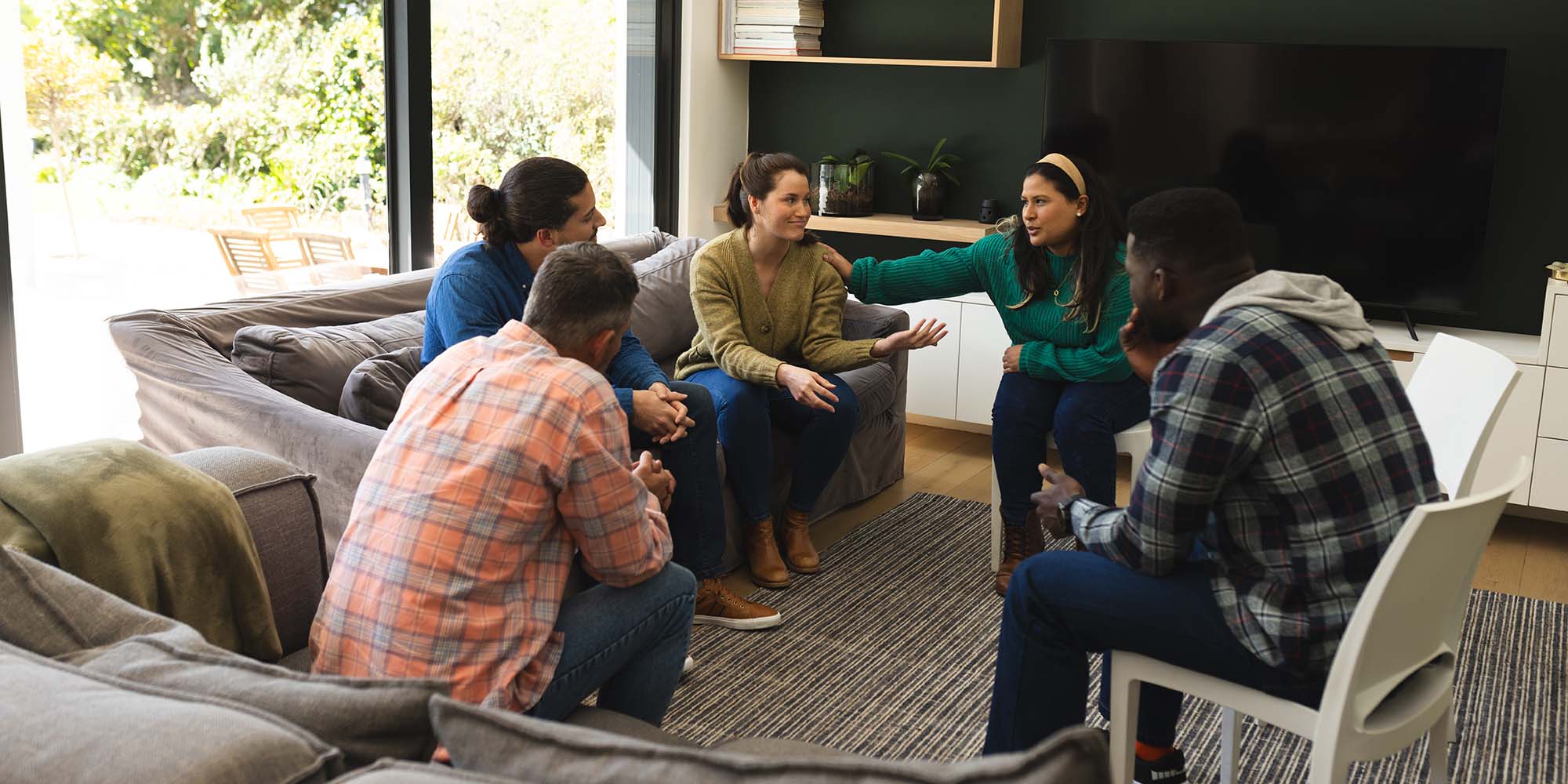
Substance Use Disorder Residential Treatment
Substance Use Disorder Residential Treatment (SUDRT) provides short-term, live-in treatment for people who need structured support to address substance use.
This program offers a safe, residential setting where people can focus on recovery. Services are designed to support stabilization, build coping skills, and help people continue treatment and recovery in the community.
Naloxone (Narcan®) - A Safety Tool That Saves Lives
Naloxone, commonly known by the brand name Narcan®, is a medication that can reverse the effects of an opioid overdose. It is safe, easy to use, and does not cause harm if opioids are not present. Available at no cost in Sacramento County.
Get naloxone (Narcan®) by calling (916) 875-2050 or visiting SaferSacramento.com.
Need Help Now?
If you or someone you know is experiencing a behavioral health crisis
- Call or text 988 if you have an urgent mental health crisis, substance use issue, or thoughts of suicide
- Behavioral Health Crisis: (916) 875-1055
- CA Relay: 711
- Go to the Mental Health Urgent Care Clinic at: 2130 Stockton Boulevard, Building 300, Sacramento, CA 95817
If there is immediate danger to someone’s life, Call 911.
What Is the Purpose of Residential Treatment?
Residential treatment is designed to:
- Provide 24-hour support in a non-locked, residential setting
- Help people stabilize and focus on recovery
- Offer more structure than outpatient services
- Support individuals in identifying triggers and learning coping skills
- Help people prepare for ongoing treatment and long-term recovery
Length of stay typically ranges from 1 to 90 days, based on individual need and medical necessity.
What Is the Purpose of Residential Treatment?
Residential treatment is designed to:
- Provide 24-hour support in a non-locked, residential setting
- Help people stabilize and focus on recovery
- Offer more structure than outpatient services
- Support individuals in identifying triggers and learning coping skills
- Help people prepare for ongoing treatment and long-term recovery
Length of stay typically ranges from 1 to 90 days, based on individual need and medical necessity.
What to Expect
People in residential treatment can expect:
- A structured daily schedule
- Individual and group counseling services
- Support with managing withdrawal symptoms, when appropriate
- Help identifying triggers and building coping strategies
- Opportunities to build daily living and recovery skills
- Peer support, including staff with lived experience
This program focuses on recovery and life skills, not just treatment.
Residential treatment is not a locked facility.
Who Is This Program For?
Residential treatment may be appropriate for people:
- Seeking help for substance use
- Needing more support than outpatient care
- Ready to engage in treatment and recovery
Important Information
Authorization is required before admission
This program is not for emergency or crisis situations
Locations and Capacity
- Residential treatment programs are located throughout Sacramento County
- Placement is based on availability and individual need
- Location placement is intended to be as convenient as possible
Sacramento County is expanding existing locations.
Eligibility Overview
Eligibility is determined through screening and county authorization. In general:
- Services must be authorized by Sacramento County
- People must have Medi-Cal
- If someone is eligible for Medi-Cal but not enrolled, assistance may be available
How to Access Residential Treatment
Residential treatment is accessed through Behavioral Health Services–Screening and Coordination (BHS-SAC).
Behavioral Health Services–Screening and Coordination will:
- Screen individuals for services
- Determine the appropriate level of care
- Refer people to a residential treatment provider
Reducing Stigma and Encouraging Help
Seeking help for substance use is a sign of strength. Recovery looks different for everyone, and support is available.
This program is designed to:
- Reduce stigma around substance use treatment
- Encourage people to seek help
- Provide care in a respectful, non-judgmental setting
How to seek help
If you or someone you support may benefit from residential treatment:
- Contact Behavioral Health Services–Screening and Coordination for screening and referral
- Learn about available treatment options
- Reach out, even if you are unsure where to start
Help is available, and recovery is possible.